In the evolving landscape of security technology, biometric door locks have become an essential component of modern access control systems. As more homes, offices, and other secure facilities seek advanced solutions to protect sensitive areas, biometric locks stand out due to their ability to provide a higher level of security than traditional key-based or digital password systems. This article explores the key concepts of biometric technology, its role in enhancing security, and the types of biometric door locks available, providing a comprehensive guide for anyone considering implementing these systems into their property or business.
What Are Biometric Door Locks?
Biometric door locks are a type of access control system that uses unique biological characteristics of an individual to grant access. These systems rely on various types of biometric data, such as fingerprints, facial features, or even retina scans, to verify a person’s identity. The concept behind biometric security is simple: a fingerprint or face scan is unique to each individual, making it nearly impossible for unauthorized persons to replicate.
Types of Biometric Recognition Systems
There are several types of biometric identification systems used in biometric door locks:
Fingerprint Recognition: This is the most common form of biometric authentication. The system captures the unique ridges and patterns of a person’s fingerprint and compares it with stored data to grant access.
Facial Recognition: This method scans and analyzes key facial features, such as the distance between eyes, nose, and mouth, to verify identity.
Iris Recognition: Iris scanners use the unique patterns in the colored part of the eye to confirm an individual’s identity. This type of biometric lock is often used in high-security environments.
How Do Biometric Door Locks Work?
Biometric door locks operate through a process of scanning and matching. The system captures a biometric trait (fingerprint, face, or iris scan) and converts it into a digital template. This template is then stored in the system’s memory. When an individual attempts to unlock the door, the system captures their biometric data again and compares it with the stored template. If the data matches, access is granted.
How Biometric Technology Enhances Access Control
Precision in Identification and Access Management
One of the primary advantages of biometric door locks is their precision. Unlike traditional locks that depend on keys or codes—both of which can be lost, stolen, or duplicated—biometric systems rely on characteristics unique to the individual. This makes it nearly impossible for unauthorized individuals to gain access, significantly enhancing security.
Additionally, biometric systems allow for more flexible and secure access management. For businesses, this means different levels of access can be assigned to various employees, contractors, or visitors. The system can track who enters or exits and at what time, providing detailed audit trails that are invaluable for monitoring and ensuring security.
Audit Trails and Traceability
A critical feature of many biometric access control systems is the ability to generate audit logs. These logs record detailed information about who accessed a particular area and when, providing complete traceability. In sensitive environments like offices, research labs, or financial institutions, this can be a vital tool for identifying unauthorized access attempts or ensuring compliance with safety regulations.
Key Components of a Biometric Access System
A biometric access system consists of several key components that work together to ensure the system functions efficiently and securely:
Biometric Sensor/Reader: This is the device that captures biometric data, such as a fingerprint, face, or iris scan.
Controller: The controller processes the captured data and compares it with the stored templates in the database to make an access decision.
Database/Storage: This stores the digital templates of authorized users. These databases are secure and can be cloud-based or locally stored.
Locking Mechanism: Once the user’s identity is verified, the system sends a signal to unlock the door. The locking mechanism can be electronic or motorized, allowing the door to open.
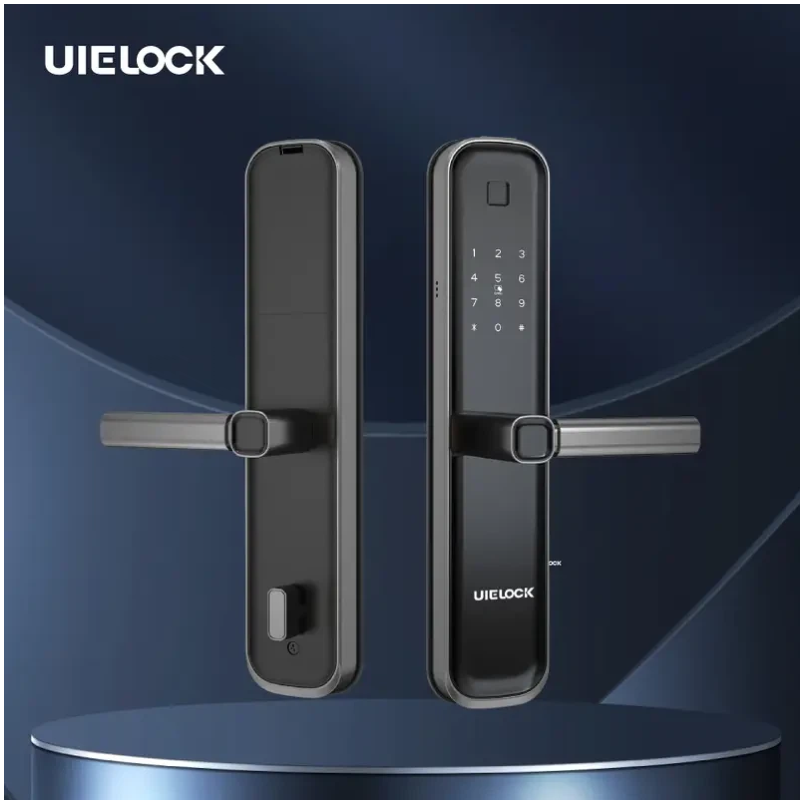
Types of Biometric Door Locks
There are various types of biometric door locks, each designed for specific security needs. Here are the most common ones:
Fingerprint Door Locks
Fingerprint door locks are the most commonly used biometric locks, providing high security and ease of use. These locks capture the fingerprint pattern of authorized users, providing a seamless and quick entry. They are widely used in homes, offices, and industrial facilities.
Facial Recognition Locks
Facial recognition systems have gained popularity in recent years, especially in environments where convenience is key. These systems use cameras to capture the unique features of a person’s face and verify it against the stored database. They can offer a more hands-free experience compared to fingerprint systems, which require direct contact with the sensor.
Multi-Modal Systems
Multi-modal biometric systems combine multiple forms of biometric recognition, such as fingerprint and facial recognition, for enhanced security. These systems are ideal for high-security applications where multiple layers of verification are required. By combining different biometric factors, multi-modal systems reduce the chances of unauthorized access.
Security Challenges and Solutions
Fingerprint Interference and Technology Improvements
One of the challenges with biometric door locks is the potential for interference with fingerprint scanners. Factors such as dirt, oil, moisture, or cuts on the skin can affect the scanner’s ability to recognize a fingerprint. To mitigate these issues, modern biometric door locks use advanced sensor technology that can read fingerprints even with minor interference. Some systems also allow for backup authentication methods, such as PIN codes, in case the fingerprint scan fails.
Encryption and Anti-Spoofing Mechanisms
Another concern with biometric door locks is the possibility of spoofing or hacking. However, modern biometric locks use encryption and anti-spoofing technologies to safeguard against unauthorized attempts to gain access. For example, facial recognition systems often incorporate liveness detection to ensure that only real faces, not photos or videos, are recognized. Fingerprint systems may also use multi-layer encryption to protect biometric data.
Integrating Biometric Locks in Access Control Ecosystems
Integration with Smart Access Control Systems
Biometric door locks can easily integrate into larger access control ecosystems. For example, they can be linked to existing smart home systems, providing seamless access to homeowners while enabling features like remote unlocking or monitoring. In commercial settings, biometric locks can be connected to enterprise-level access control systems, allowing for centralized management of access and security.
Integration with Networked Security Systems
In larger organizations, biometric locks can be part of a networked security system, where all locks are monitored and controlled from a central security dashboard. This allows administrators to manage access across multiple doors, monitor activity in real-time, and respond to security events quickly.
Conclusion
Biometric door locks are revolutionizing access control by offering a higher level of security, convenience, and efficiency. They provide accurate identification, reduce the risk of unauthorized access, and offer a more user-friendly alternative to traditional locks. As biometric technology continues to advance, these systems will only become more reliable and sophisticated, making them an ideal choice for anyone looking to secure their property.
At UIELOCK, we specialize in providing cutting-edge biometric door locks that ensure the highest levels of security and convenience. Whether you're securing a home, office, or commercial facility, our solutions are designed to meet your needs. For more information, or to inquire about our products, please contact us today.
FAQ
How do biometric door locks enhance security?
Biometric door locks use unique biological characteristics like fingerprints or facial features to verify identity, making it nearly impossible for unauthorized individuals to gain access.
What types of biometric door locks are available?
There are several types of biometric door locks, including fingerprint locks, facial recognition locks, and multi-modal systems that combine multiple biometric methods for added security.
Can biometric locks be integrated into smart home systems?
Yes, many biometric locks can be integrated with smart home systems, allowing for remote access and enhanced control.
What are the potential challenges with biometric locks?
Challenges can include fingerprint interference or spoofing attempts, but modern systems have developed technologies such as liveness detection and advanced encryption to mitigate these issues.


