The hospitality industry is evolving at a pace that demands smarter, more secure, and more convenient access solutions. Among these innovations, the Hotel Door Lock has emerged as a cornerstone for modern hotels seeking to enhance guest safety while improving operational efficiency. At Zhongshan Xiangfeng Intelligent Technology Co., Ltd., our Electronic hotel door lock solutions are designed to meet these demands, providing advanced access control, seamless integration with hotel management systems, and reliable performance that protects both your revenue and your guests’ experience.
Defining “Electronic” in the Hotel Context
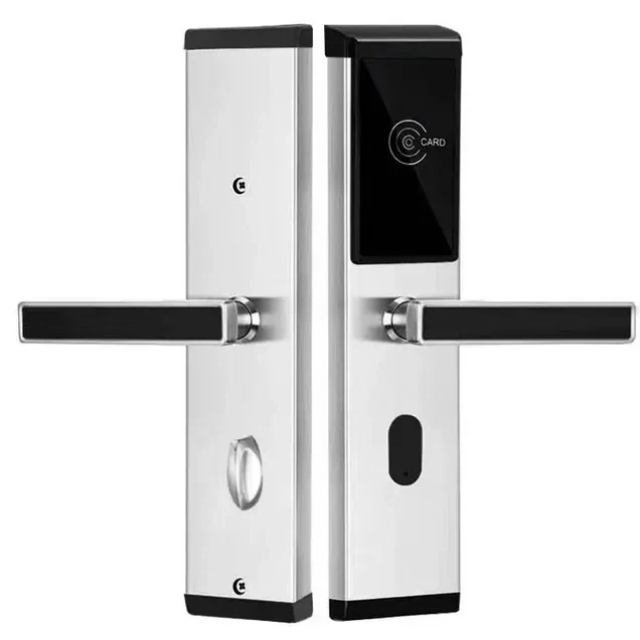
In the context of hospitality, “electronic” extends beyond simple digital keypads or card readers. An Electronic hotel door lock is an integrated system combining hardware, software, and credential management to ensure security, flexibility, and convenience. This term encompasses RFID-based card systems, mobile key solutions, biometric integrations, and smart locks capable of interacting with hotel management platforms.
What differentiates these locks from traditional mechanical keys is their ability to track access, control multiple entry points, and respond dynamically to operational needs. For example, a guest’s RFID card may grant room access, pool entry, and spa privileges without requiring multiple physical keys. These functionalities not only improve guest convenience but also reduce the operational burden on staff.
Electronic hotel door locks have become indispensable as they allow hotels to adapt to modern expectations of convenience and security. Guests now expect frictionless entry, while managers require tools to monitor access, prevent unauthorized entry, and gather actionable insights. In this environment, investing in a high-quality electronic lock is not merely a choice—it’s a strategic business decision.
Core Technical Features to Evaluate
When considering an electronic lock system, decision-makers should focus on technical aspects that directly impact hotel operations, security, and maintenance costs. Key features include:
Battery Life and Power Management
Reliable battery life ensures that locks remain operational even in the absence of direct power. Advanced Electronic hotel door locks incorporate low-power consumption technology and alert systems that notify management before batteries fail, preventing service disruption. High-capacity batteries, combined with energy-efficient RFID readers, reduce maintenance interventions and increase overall uptime.
Offline Fail Modes
Electronic locks must remain secure even if communication with the central hotel system is interrupted. Offline fail modes allow access credentials to be validated locally, ensuring that guests can enter rooms without delays. This capability is particularly critical in large resorts or hotels with multiple buildings, where network interruptions could otherwise compromise the guest experience.
Audit Logs and Security Reports
Every interaction with an electronic lock is recorded in audit logs, providing a detailed record of access attempts, door openings, and staff activity. These logs are essential for security audits, loss prevention, and regulatory compliance. High-end Electronic hotel door locks also allow managers to customize report frequency, providing daily, weekly, or real-time insights into hotel operations.
Guest Impact: Speed, Accessibility, and Multiservice Credentials
Guest experience is the ultimate measure of any hotel technology. Electronic locks significantly enhance convenience, speed, and accessibility, creating a frictionless environment for both new arrivals and returning guests.
Speed of Entry
Traditional keys are prone to delays, misplacement, or theft, which can frustrate guests and slow check-in operations. RFID card-based Electronic hotel door locks eliminate these issues, enabling swift room access with a simple tap. Some systems further allow mobile keys through smartphones, adding another layer of convenience for tech-savvy travelers.
Multiservice Access
Modern hotels offer multiple services such as fitness centers, spas, executive lounges, and conference facilities. Electronic hotel door locks can integrate these services into a single credential, allowing a guest’s key card or mobile app to unlock not only their room but also all associated amenities. This seamless integration creates a more enjoyable stay and reduces the need for multiple access points.
Accessibility Considerations
Electronic locks enhance accessibility for guests with disabilities by enabling hands-free entry, adjustable access methods, and compatibility with assistive devices. These features improve compliance with accessibility standards and elevate overall guest satisfaction.
Back-Office Value: Data, Analytics, and Preventive Maintenance Alerts
Beyond guest-facing benefits, Electronic hotel door locks provide immense value to hotel management teams by generating actionable data that informs operational decisions.
Access Attempt Reports
Hotel managers can monitor access patterns in real time. Detailed reports show which rooms were accessed, by whom, and at what time. These insights help identify irregular activity, reduce security risks, and ensure compliance with internal protocols.
Door Health Monitoring
Electronic locks equipped with smart sensors can detect malfunctions or mechanical wear and provide alerts before a problem escalates. This preventive maintenance capability reduces emergency repairs, ensures consistent security, and extends the lifespan of the hardware.
Staff Access Logs
Employee access can be precisely tracked, ensuring accountability and limiting access to restricted areas. Managers can assign time-limited permissions to staff members, creating a secure environment while maintaining operational flexibility.
Audit and Analytics
Advanced analytics allow hotels to evaluate usage patterns, peak entry times, and occupancy trends. This data can guide staffing decisions, improve energy efficiency, and inform service enhancements that elevate the guest experience.
Integration & Compliance: GDPR, Local Access Laws, and Audit Trails
In today’s regulatory environment, Electronic hotel door locks must comply with data protection laws and local security regulations. Integrating locks with hotel management software ensures that all access data is stored securely, with access logs and personal data managed according to GDPR and similar frameworks.
This integration also simplifies audits by providing automated reporting and tamper-proof logs. Compliance is no longer a manual process; electronic systems allow hotels to maintain operational transparency while protecting guest privacy.
Serviceability & Lifecycle: Firmware Updates, Spare Parts, and Local Technicians
The total cost of ownership for electronic locks depends not only on purchase price but also on long-term serviceability. Leading Electronic hotel door locks support remote firmware updates, ensuring that the system remains secure against evolving threats without manual intervention.
Availability of spare parts and trained local technicians is essential for maintaining uptime. Hotels benefit from quick replacement cycles for batteries, cards, and lock components, minimizing guest inconvenience. These features collectively reduce maintenance costs while maximizing operational reliability.
Conclusion
For hotels aiming to provide secure, efficient, and guest-friendly access, investing in an Electronic hotel door lock is essential. Minimum recommended specifications include robust RFID or mobile key support, extensive audit logging, offline fail-safe capabilities, battery alerts, and full integration with hotel management systems. By choosing a solution like those from Zhongshan Xiangfeng Intelligent Technology Co., Ltd., hotels can reduce total cost of ownership, improve uptime, and enhance guest satisfaction.
For more information or to explore trial options, contact us today to learn how our electronic lock solutions can elevate your hospitality operations. With our comprehensive support network, your property can achieve a new standard of security and convenience.
FAQ
Q1: What is the difference between an electronic hotel door lock and a traditional lock?
A1: Electronic hotel door locks provide digital access control, audit logs, multiservice credentialing, and integration with hotel management systems, unlike traditional mechanical locks which offer only basic physical security.
Q2: How long does the battery last in an electronic lock?
A2: High-quality Electronic hotel door locks are designed for extended battery life, often lasting several years depending on usage, with proactive alerts for replacement to prevent downtime.
Q3: Can electronic locks integrate with hotel management software?
A3: Yes, modern locks support full integration with hotel systems, enabling real-time reporting, access control, and analytics for improved operational efficiency.
Q4: Are electronic hotel door locks compliant with GDPR and other privacy regulations?
A4: Leading systems, including those from Zhongshan Xiangfeng Intelligent Technology Co., Ltd., ensure all guest data is securely stored and managed in compliance with GDPR and local access laws.


