Standing in front of a display of similar-looking locks, many buyers feel uncertain about which cabinet lock actually fits their needs. The shapes look alike, the size differences seem minor, and the descriptions often sound technical. Yet each cabinet lock type is designed for a different mechanism, installation style, and user scenario. Understanding these differences prevents misapplication and helps match storage security to real operational requirements.
This guide explains cabinet lock types in a structured way. Instead of focusing only on product appearance, we group locks by how they work, how they are installed, and where they perform best. Zhongshan Xiangfeng Intelligent Technology Co., Ltd., operating under the UIELOCK brand, manufactures a wide range of smart locking systems including smart cabinet locks, Bluetooth locks, ZigBee apartment locks, and IoT-enabled solutions. That experience allows us to approach cabinet lock types not as isolated items, but as part of a broader access control ecosystem.
The Big Picture Categories of Cabinet Lock Types
Before exploring specific designs, it helps to understand the two major categories that define most cabinet lock products: keyed mechanical locks and keyless locking systems.
Keyed Mechanical Locks
Keyed mechanical cabinet locks are the traditional and most widely recognized type. They operate with a physical key that turns a cam, latch, or bolt mechanism to secure the cabinet door or drawer.
Characteristics of keyed cabinet locks include:
Simple operation
No need for power supply
Familiar user experience
Cost-effective implementation
These locks are widely used in filing cabinets, tool storage drawers, office desks, and basic storage units. Because they are purely mechanical, maintenance requirements are minimal. For single-user or small-team environments, a keyed cabinet lock remains a practical and reliable choice.
However, key management becomes more complex as the number of users increases. In larger shared environments, replacing lost keys or managing duplicate keys can introduce administrative challenges.
Keyless Cabinet Locks
Keyless cabinet lock systems eliminate traditional keys. They may use PIN codes, RFID cards, Bluetooth credentials, or biometric authentication such as fingerprints.
Advantages of keyless cabinet locks include:
Reduced risk of lost keys
Easier access updates when users change
Faster access in shared environments
Integration with smart access systems
UIELOCK’s smart cabinet locks are designed to align with modern storage management needs, especially in offices, gyms, shared workspaces, and commercial storage facilities where access turnover is frequent.
While keyless cabinet locks offer flexibility, they require considerations such as power supply, credential management, and user training. Selecting the right type depends on usage scenario rather than novelty alone.
Cam Locks: One of the Most Common Cabinet Lock Types
Among all cabinet lock types, the cam lock is one of the most widely used designs.
Why Cam Locks Are Everywhere
A cam lock works by rotating a flat metal piece, known as a cam, behind the cabinet panel. When the key turns, the cam rotates and either blocks or releases the door or drawer.
Cam locks are commonly used in:
Filing cabinets
Desk drawers
Mailboxes
Metal storage cabinets
Electrical enclosures
Their popularity stems from several strengths:
Compact size
Simple installation
Affordable cost
Versatility across materials
Because cam locks require limited installation depth, they integrate easily into wood, metal, and composite furniture panels.
Where Cam Locks Fit—and Where They Don’t
Although cam locks are practical, they are not designed for high-security forced-entry resistance. Their purpose is access control, not vault-level protection.
Cam locks fit well when:
The goal is to deter casual access
The environment is supervised
The stored items require moderate privacy
They are less suitable for environments demanding reinforced structural security. Understanding this distinction ensures realistic expectations.
UIELOCK manufactures cam-style cabinet locks that prioritize durability and smooth operation for everyday use, making them suitable for offices and light commercial applications.
Cylinder-Based and Higher Security Cabinet Styles
Beyond standard cam locks, cylinder-based cabinet locks provide enhanced internal locking structures.
When Documents or Valuables Require More Security
Certain office environments store sensitive documents such as legal contracts, financial records, or intellectual property. In these cases, a more robust cabinet lock style may be justified.
Cylinder-based locks may feature:
Reinforced internal components
More secure key profiles
Improved resistance to tampering
These designs increase perceived and functional security compared to basic cam locks, while still fitting furniture-scale applications.
Replaceable and Maintainable Approaches
Another advantage of cylinder-style cabinet locks is maintainability. Some designs allow:
Core replacement without removing the entire lock
Rekeying when staff changes occur
Simplified maintenance cycles
This flexibility is valuable for organizations with structured access policies. UIELOCK’s manufacturing capabilities allow scalable production of advanced locking mechanisms that balance security and practicality.
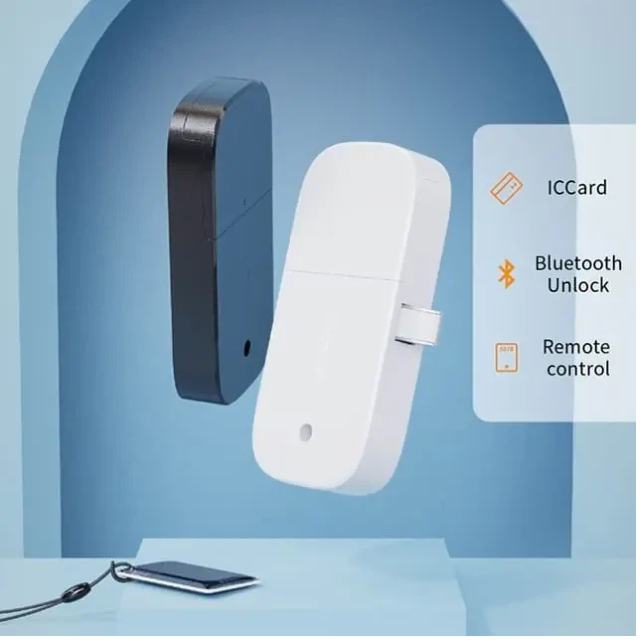
Keyless Cabinet Lock Types: Code, RFID, and Fingerprint
Keyless cabinet lock options represent a major evolution in furniture security.
When Keyless Systems Are the Better Choice
Keyless cabinet locks perform especially well in environments such as:
Gyms and fitness centers
Schools and training facilities
Shared office storage rooms
Apartment locker systems
In these settings, access credentials change frequently. Managing physical keys becomes inefficient.
Code-based locks allow PIN updates. RFID cabinet locks operate with cards or badges. Fingerprint locks authenticate specific users without physical tokens.
UIELOCK integrates smart locking expertise into cabinet-scale applications, bringing technologies such as Bluetooth and IoT connectivity into compact storage solutions.
Practical Considerations Before Choosing Keyless
While keyless cabinet locks offer flexibility, users should consider:
Power source requirements
Battery replacement schedules
Credential reset processes
User training and onboarding
When implemented correctly, keyless cabinet locks reduce administrative burden and improve access control transparency.
Installation Style Types: How Locks Sit on Furniture
Mechanism type is only one part of the decision. Installation style significantly affects performance and user experience.
Surface-Mounted vs Internal Mounting
Surface-mounted cabinet locks attach visibly to the exterior of the cabinet. They are easier to install but may affect aesthetics.
Internal-mounted cabinet locks integrate within the cabinet panel. They offer a cleaner appearance and are common in modern office furniture.
Choosing between these styles depends on:
Cabinet design
Visual preferences
Installation constraints
Door Swing Direction and Alignment
A cabinet lock must align precisely with the door or drawer movement. Misalignment can cause:
Difficulty turning the key
Incomplete closure
Premature wear
Understanding door swing direction, panel thickness, and internal clearance ensures proper lock selection.
UIELOCK designs cabinet locks with installation adaptability in mind, allowing integration into diverse furniture structures.
Cabinet Lock Type Comparison
Below is a simplified comparison to assist with quick evaluation.
Type | How It Unlocks | Best For | Pros | Trade-Offs |
Cam Lock | Key turns cam | Drawers, small cabinets | Simple, cost-effective | Not designed for high forced-entry resistance |
Cylinder/Cam Latch | Key + stronger latch | Office cabinets | Higher perceived security | Requires precise installation |
Keyless Code or RFID | PIN or card | Shared storage environments | No physical key loss | Requires credential management |
Fingerprint Lock | Biometric scan | Controlled user environments | Fast, personalized access | User enrollment process required |
This table illustrates that cabinet lock types vary not only by appearance but by functional suitability.
Selecting by Scenario Rather Than Appearance
Many buyers select cabinet locks based on shape or price alone. However, the most effective approach begins with scenario analysis.
Consider:
Who will access the cabinet?
How frequently will it be opened?
What level of security is required?
Is key management practical?
Aligning these answers with cabinet lock types ensures optimal performance.
Zhongshan Xiangfeng Intelligent Technology Co., Ltd., through the UIELOCK brand, produces both traditional mechanical and advanced smart cabinet locks. With large-scale manufacturing capacity and deep expertise in intelligent lock systems, UIELOCK supports applications ranging from basic office drawers to IoT-connected storage solutions.
Conclusion
Understanding cabinet lock types from classic cam lock mechanisms to advanced keyless cabinet lock systems allows you to match security solutions to real usage scenarios rather than selecting by appearance alone. Each cabinet lock type serves a specific purpose, and the right choice depends on user environment, access frequency, and administrative needs. UIELOCK offers a comprehensive range of cabinet lock options designed for office, commercial, and smart storage applications. Visit and contact us to discuss your project requirements. The right cabinet locking solution can elevate everyday storage into controlled, secure infrastructure.
FAQ
1. What is the most common type of cabinet lock?
The cam lock is the most common cabinet lock type. It is compact, cost-effective, and widely used in drawers, filing cabinets, and small storage units.
2. When should I choose a keyless cabinet lock?
A keyless cabinet lock is ideal for shared environments where user access changes frequently, such as gyms, coworking spaces, or schools.
3. Are cylinder-based cabinet locks more secure than cam locks?
Cylinder-based cabinet locks typically offer enhanced internal mechanisms and may provide stronger resistance to tampering compared to basic cam locks.
4. Can smart cabinet locks integrate with modern access systems?
Yes. Smart cabinet locks can integrate technologies such as RFID, Bluetooth, and IoT connectivity to support modern access management systems.


