As homes become more connected through smart technology, the way we secure our properties is evolving. One of the most prominent innovations in home security is the smart lock—a device that allows keyless entry and remote control of your door. However, with the increasing dependence on technology, a common concern arises: Do smart locks still work during a power outage?
In this article, we will explore how smart locks operate during power failures. Specifically, we will discuss whether they continue to function, the role of backup power options, and why some smart locks are more reliable than others in emergency situations. By the end of this article, you will have a clearer understanding of how smart locks handle power outages, and how to choose the best lock to suit your needs.
1. What is a Smart Lock?
Definition and Overview
A smart lock is an electronic locking system that allows users to lock or unlock doors without a traditional key. Instead, smart locks use technologies such as Bluetooth, Wi-Fi, or Z-Wave to communicate with your smartphone, tablet, or voice-controlled assistant (e.g., Amazon Alexa or Google Assistant). Smart locks can be controlled remotely and are an essential component of the growing smart home ecosystem.
Key Components of a Smart Lock
Component |
Description |
Lock Mechanism |
The physical hardware that locks and unlocks the door, often integrated with electronic components like motors. |
Connectivity |
Wireless communication such as Bluetooth, Wi-Fi, or Z-Wave, enabling remote control of the lock. |
Power Supply |
Typically powered by batteries, although some may be hardwired into your home’s electrical system. |
User Interface |
The method through which you interact with the lock (e.g., mobile apps, voice commands, keypads, or biometric readers). |
These components combine to offer an advanced, convenient, and secure locking mechanism.
2. How Do Smart Locks Work?
Locking and Unlocking Mechanism
Smart locks replace traditional keys with digital entry methods. The typical process works as follows:
Bluetooth/Wi-Fi Communication: When you approach the door, your smartphone or tablet communicates with the lock using Bluetooth or Wi-Fi. This allows you to unlock the door without needing a physical key.
Keyless Entry Options: In addition to smartphone access, smart locks may also offer:
PIN Codes: Entering a code via a keypad on the lock.
Biometric Recognition: Using your fingerprint or face for access.
Mobile App Control: Unlocking through a mobile app or voice assistant.
Automation Features: Some smart locks come with automatic locking or unlocking features based on schedules or geofencing (i.e., unlocking when you’re nearby).
Power Source of Smart Locks
Smart locks are typically powered by batteries. The batteries ensure that the lock remains functional even if there is no power supply from the home’s electrical system. However, some advanced smart locks are hardwired into the home’s power grid.
Connectivity and Remote Control
Most smart locks connect to a home’s network through Wi-Fi or Bluetooth. Wi-Fi-enabled locks allow you to control them from anywhere using a smartphone app, while Bluetooth-based locks work within a limited range (typically within 100 feet). Both options offer remote access and notifications.
3. Do Smart Locks Work During Power Outages?
One of the most important questions homeowners have is whether smart locks will continue to work if the power goes out. The answer depends on the power source of the lock.
Battery-Powered Smart Locks
Most smart locks are powered by rechargeable batteries. These locks continue to work even if there is a power outage because they are not reliant on external electrical sources.
Battery Life: Typically, battery-powered locks last for several months (from 6 to 12 months) on a single set of batteries, depending on usage and lock model.
Backup Systems: Many models include low-battery warnings, giving users the opportunity to replace the batteries before they fail. Even if the battery runs out, some models include manual key overrides.
Hardwired Smart Locks
Some smart locks are hardwired into the home’s electrical system, which means they depend on the house’s power supply to function. If the power goes out, these locks may not work unless they have a backup power system.
Backup Power Options for Hardwired Smart Locks
Backup Battery Systems: Many hardwired smart locks include backup batteries that automatically activate in the event of a power failure.
Manual Override: Most hardwired models come with a traditional physical key option, ensuring that you can still manually unlock the door even if the electronic system fails.
Which Smart Locks Are Most Reliable During Power Outages?
Battery-Powered Smart Locks: These are typically the most reliable in terms of continued operation during power outages because they do not require a power supply from your home’s grid. If you are concerned about power failure, battery-powered smart locks with long battery life and backup features are the best choice.
Hardwired Smart Locks with Backup Power: If you opt for a hardwired model, look for one with a built-in backup battery. These smart locks will function normally during a power outage, providing added convenience and security.
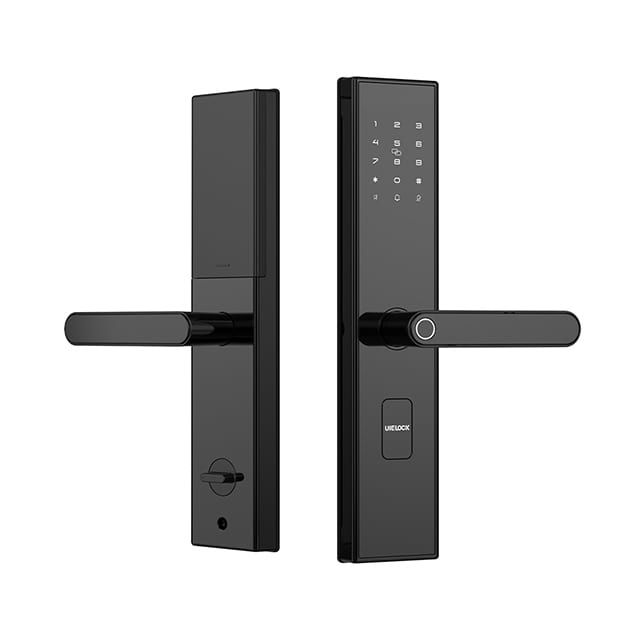
4. Smart Lock Backup Features for Power Outages
Many smart locks are designed with redundant systems to ensure they remain functional during power failures. Here’s a breakdown of common backup features:
1. Backup Power Options
Smart locks that are hardwired into the electrical system often feature a backup battery. This ensures that the lock can continue to function even if the house loses power. The backup battery typically kicks in automatically when the main power supply is disrupted.
2. Manual Key Override
While smart locks are designed for convenience, most models include a physical key as a backup. In case of battery failure, Wi-Fi issues, or other emergencies, the key override ensures that you can still unlock the door traditionally.
3. Low Battery Alerts
Battery-powered smart locks often send low battery notifications via their companion app, giving homeowners ample time to replace the batteries before they fail.
4. External Battery Pack
Some smart locks have the option to connect to an external battery pack if the internal battery runs low. This is particularly useful if your smart lock is part of a Z-Wave or Wi-Fi network and you need to maintain control while waiting for a battery replacement.
5. Why Battery-Powered Smart Locks Are the Best Option for Power Outages
Smart locks powered by batteries offer the greatest reliability during power outages, as they are not reliant on the home’s electrical grid. Here’s why:
1. Reliable Operation Without External Power
Battery-powered smart locks are designed to work without any need for external power. They are ideal for homes located in areas prone to power outages or regions with unreliable electricity.
2. Long Battery Life
High-quality battery-powered smart locks have batteries that last between 6 and 12 months, depending on the usage. Plus, they usually feature energy-efficient designs to maximize battery longevity.
3. Backup Options
Battery-powered locks also often come with manual key overrides or external battery packs, ensuring continued operation even if the primary battery is depleted.
4. Easy Maintenance
Maintaining a battery-powered smart lock is straightforward. All you need to do is monitor the battery level, which is typically displayed in the app. Replacing the batteries is quick and easy, and many models even have a low-battery notification system to remind you when it’s time.
6. Conclusion
Smart locks provide unparalleled convenience, enhanced security, and seamless integration with your smart home devices. Most smart locks are powered by batteries, ensuring they continue to function during a power outage. However, it's essential to check the features of the model you choose. Battery-powered models are generally the most reliable during power disruptions. If you opt for a hardwired model, ensure it includes a backup power system or manual override key to maintain access to your home when the power fails.
At Zhongshan Xiangfeng Intelligent Technology Co., Ltd., we specialize in providing advanced smart lock solutions designed for your security needs. Our smart locks are equipped with reliable backup features such as battery power and manual override options, ensuring that your home remains secure even during power outages. We invite you to explore our range of products and contact us for more information to find the perfect smart lock solution tailored to your home’s security.
7. FAQ
1. Do smart locks work if the power goes out?
Yes, most battery-powered smart locks continue to work during power outages, as they are not reliant on external electrical sources. Hardwired smart locks may require backup battery systems or manual overrides to function.
2. How long do smart locks work without power?
Battery-powered smart locks typically last between 6 to 12 months on a full charge, depending on usage. Most models offer low-battery alerts to ensure timely replacements.
3. Can I still unlock my smart lock during a power failure?
Yes, you can still unlock your smart lock during a power failure. Battery-powered models will continue to work, and most hardwired locks have a backup battery or manual key override option.
4. How can I ensure my smart lock works during a power outage?
Choose a battery-powered smart lock for the most reliable performance during a power failure. If you opt for a hardwired model, ensure it has backup power options or a manual key override.
5. Do I need to buy backup batteries for my smart lock?
If you have a battery-powered smart lock, most models have built-in batteries that last for several months. However, it’s a good idea to keep replacement batteries on hand or look for models that offer external battery packs.


