In recent years, the concept of a "smart home" has grown rapidly, with people looking for ways to improve convenience and security within their living spaces. One of the standout innovations in this area is the smart lock. Traditional locks have been in place for centuries, but the advent of smart locks has revolutionized the way we secure our homes. A smart lock is a keyless entry system that allows you to lock and unlock your door without a physical key, offering enhanced convenience and security. With remote access, integration with smart home systems, and innovative features, smart locks have become essential tools for modern homeowners.
In this article, we will explain what a smart lock is, how it works, its key features, and why it's a valuable addition to your front door security system. We will also explore the different types of smart locks, their advantages, and how to choose the best one for your home. Finally, we will address frequently asked questions to help you understand everything you need to know about smart locks.
1. What Is a Smart Lock?
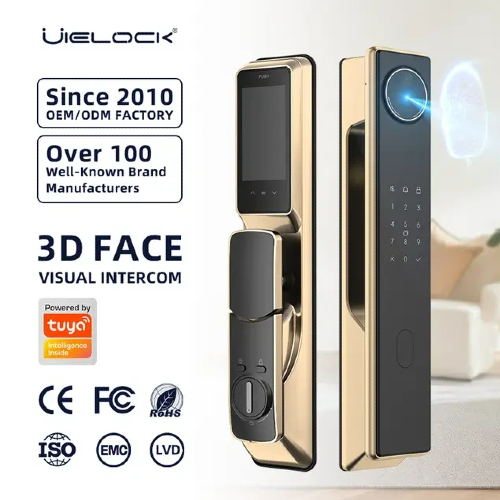
A smart lock is a digital version of the traditional lock and key system. Unlike conventional locks that require a physical key, a smart lock allows you to lock or unlock your door via an app, a keypad, or even biometric data (e.g., fingerprints, facial recognition). This system connects to your smartphone, tablet, or other smart devices, allowing you to control the lock remotely, giving you flexibility and peace of mind.
Key Components of a Smart Lock:
Component | Description |
Lock Mechanism | The hardware that physically locks and unlocks the door, often powered by electronic circuits. |
Connectivity | Wireless communication, typically via Bluetooth, Wi-Fi, or Z-Wave, to enable remote access and control. |
Power Supply | Usually powered by batteries, but some models may be hardwired into the door or the home’s electrical system. |
User Interface | Can include a mobile app, key fob, touchscreen, or biometric reader that allows access to the lock. |
These components work together to provide secure, efficient, and convenient door locking capabilities, far beyond what traditional locks can offer.
2. How Does a Smart Lock Work?
Smart locks operate using a combination of wireless technology and physical mechanisms. Understanding how these elements come together can help you appreciate the advantages of using a smart lock.
Locking and Unlocking Mechanism
Smart locks use various wireless technologies, such as Bluetooth, Wi-Fi, or Z-Wave, to communicate with your smartphone, smart home hub, or other connected devices. The process typically works like this:
Bluetooth/Wi-Fi Connection: When you're near your door, your smartphone or tablet communicates with the lock via Bluetooth or Wi-Fi, unlocking it. Some locks even use geofencing to automatically unlock when you're within a certain distance from your door.
Keyless Entry Options: Smart locks allow you to open the door using various keyless methods:
PIN Codes: Input a code via a keypad on the lock.
Biometric Recognition: Use your fingerprint or face to unlock the door.
Mobile Apps: Unlock your door via an app on your smartphone or tablet.
Voice Control: Integration with voice assistants like Amazon Alexa, Google Assistant, or Apple Siri allows you to unlock the door using simple voice commands.
Remote Control
A major benefit of smart locks is remote control. If your lock is Wi-Fi-enabled, you can access it from anywhere in the world. For example, if you are on vacation and need to let a guest in, you can unlock the door with a tap of a button on your phone, no matter where you are.
Additionally, smart locks typically send real-time notifications to your phone when the door is locked or unlocked. This feature helps you keep track of who is entering and leaving your home.
Automation and Scheduling
Smart locks can be programmed to lock and unlock automatically at specific times. For instance, you can set it to automatically lock the door at midnight or unlock it when you arrive home at the end of the day. This can be done through an app or home automation system, increasing convenience and security.
3. Key Features of Smart Locks
Smart locks offer a range of advanced features designed to improve home security and make daily life more convenient. Here are some of the top features to consider when evaluating smart locks:
1. Security Features
Smart locks are designed with enhanced security in mind. Most models use encryption protocols like AES 128-bit or AES 256-bit to secure the communication between the lock and your mobile device. Some also come with built-in alarms that trigger if the lock is tampered with or if unauthorized access attempts are made.
2. Easy Installation
Smart locks are generally easy to install, especially for those who are upgrading from a traditional deadbolt lock. Some models are DIY-friendly, requiring only a few tools and about 30 minutes for installation, while others may require professional installation.
3. User Access Control
Smart locks allow you to customize who has access to your home. You can create unique access codes for family members, friends, or guests, and you can easily delete or modify these codes as needed. Some models also allow you to grant temporary access to visitors, such as house cleaners or repairmen, who only need to enter for a limited period.
4. Battery Life and Backup Power
Since most smart locks are powered by batteries, the battery life is an important consideration. Many models feature a long-lasting battery, typically ranging from 6 months to a year. Additionally, most smart locks send a low-battery warning to your phone so you can replace the batteries before the lock fails. In the case of battery depletion, most models have a backup power option, such as a physical key override or emergency charging.
4. Types of Smart Locks
There are various types of smart locks available, each with different technologies and capabilities. The three most common types are:
Type | Description | Best For |
Bluetooth Smart Locks | Operates via Bluetooth, with a limited range (typically up to 100 feet). Unlock with a mobile device nearby. | Users who prefer a simple setup with local control. |
Wi-Fi Smart Locks | Connects to your home Wi-Fi network, allowing you to control your lock remotely from anywhere in the world. | Users who want remote access and integration with home automation. |
Z-Wave Smart Locks | Uses Z-Wave technology to communicate with other devices in a smart home system. Requires a Z-Wave hub. | Users with existing smart home hubs that support Z-Wave. |
Bluetooth Smart Locks
Bluetooth-enabled locks are the most common and typically the easiest to install. These locks only work when you're within a certain range, making them ideal for home or office use. They also consume less power than Wi-Fi locks, resulting in longer battery life.
Wi-Fi Smart Locks
Wi-Fi smart locks are perfect for homeowners who want the ability to lock or unlock their door from anywhere. They can be integrated with other home automation systems, such as cameras or alarms, to create a seamless smart home experience.
Z-Wave Smart Locks
Z-Wave locks are designed to work with Z-Wave hubs, allowing them to communicate with other smart home devices. If you already have a Z-Wave system in your home, this is a great choice for integrating your locks into your existing smart ecosystem.
5. Advantages of Using a Smart Lock
Smart locks come with numerous benefits that make them an attractive option for homeowners seeking improved security and convenience.
1. Enhanced Security
Unlike traditional locks, smart locks offer advanced encryption and additional features like tamper alerts and remote monitoring. With these enhanced security features, smart locks reduce the likelihood of break-ins and unauthorized access.
2. Convenience
With keyless entry and remote access, smart locks make it easy to unlock your door without the hassle of carrying keys. Whether you're coming home with your hands full or letting someone in while you're away, smart locks offer unmatched convenience.
3. Integration with Smart Home Devices
Smart locks integrate seamlessly with other smart home devices such as cameras, lighting systems, and alarms. This integration enhances the overall functionality of your smart home, allowing you to control all devices from a single platform.
6. How to Choose the Right Smart Lock
Choosing the right smart lock depends on several factors, such as your door type, security needs, and smart home integration preferences.
1. Door Type Compatibility
Ensure that the smart lock you choose is compatible with your door. Most smart locks are designed to fit standard deadbolts, but it's important to check the specifications to confirm compatibility.
2. Connectivity Needs
If you're looking for remote access, choose a Wi-Fi or Z-Wave smart lock. For more localized control, Bluetooth-enabled locks will suffice.
3. Security Features
Look for a smart lock with strong encryption and backup access options (such as a physical key or emergency battery power) to ensure that your home remains secure.
7. Conclusion
Smart locks provide unmatched convenience, security, and flexibility for modern homeowners. By upgrading from traditional locks to a smart lock, you not only improve your home's security but also enjoy the benefits of keyless entry and remote access. Whether you prefer Bluetooth, Wi-Fi, or Z-Wave connectivity, there’s a smart lock tailored to your needs. With the ease of controlling your door from anywhere and eliminating the hassle of physical keys, smart locks are an ideal choice for enhancing home security.
At Zhongshan Xiangfeng Intelligent Technology Co., Ltd., we offer a range of advanced smart locks designed to elevate the security of your home. Our products are equipped with cutting-edge features such as encrypted communication, user access control, and seamless integration with your home automation system. If you're considering upgrading your home security, we invite you to explore our selection of smart locks. Feel free to contact us for more information or to find the perfect smart lock solution for your front door.
8. FAQ
1. What is the main difference between a smart lock and a traditional lock?
A smart lock uses wireless communication and digital mechanisms, allowing for keyless entry, remote control, and access monitoring, while a traditional lock requires a physical key to open.
2. How do smart locks communicate with my smartphone?
Smart locks communicate with your smartphone using Bluetooth, Wi-Fi, or Z-Wave. These wireless technologies enable remote locking and unlocking.
3. Can I still use a physical key with a smart lock?
Yes, many smart locks include a backup physical key in case the electronic mechanism fails or the batteries run out.
4. How long does a smart lock’s battery last?
Battery life can vary, but most smart locks last between 6 months and a year, depending on usage. They typically send notifications when the battery is running low.
5. Can I control a smart lock remotely?
Yes, Wi-Fi-enabled smart locks allow you to control them remotely from anywhere in the world via a smartphone app.


