One unlocked drawer can create more problems than most managers expect. A missing contract, a misplaced office key, or a confidential HR file left exposed often traces back to one small oversight: no cabinet lock where it was actually needed. What seems like a minor hardware detail can quickly become a serious operational issue. Understanding real cabinet lock uses across offices, commercial environments, and even homes helps businesses and individuals define clear access boundaries before problems occur.
This article maps practical cabinet lock applications to real scenarios. Instead of speaking in abstract terms, we will look at where cabinet locks truly matter, what risks they reduce, and how different environments require different solutions. Zhongshan Xiangfeng Intelligent Technology Co., Ltd., operating under the UIELOCK brand, manufactures smart and mechanical locking systems designed to meet these diverse needs. With annual production capacity exceeding one million sets of smart locks, UIELOCK brings large-scale manufacturing experience into furniture and storage security applications.
The Most Common Cabinet Lock Uses People Don’t Think About
Many people associate cabinet locks only with filing cabinets or children’s safety. In reality, their everyday use cases are far broader.
Visitor-Accessible Zones
Reception areas, meeting rooms, coworking desks, and shared office lounges often contain drawers and storage units that hold important items. Visitors, temporary staff, or service providers may move freely in these areas.
A cabinet lock helps create invisible boundaries without changing the openness of the space. For example:
Reception desks with cash drawers or key storage
Meeting room cabinets storing confidential presentation materials
Shared desks where multiple users rotate weekly
The goal is not to create a restrictive environment. The goal is to maintain controlled access while preserving operational flexibility.
Short-Term Storage Needs
Temporary projects often generate documents, USB drives, spare keys, and equipment that need protection for limited periods. A project team may only need secure access for three months, but during that time, sensitive information must remain organized and protected.
A filing cabinet lock ensures that only assigned personnel access those materials. Once the project ends, the storage can be reassigned without complex restructuring. Smart cabinet locks add additional flexibility by allowing access credentials to be updated without replacing hardware.
Office Use Cases
Offices remain the most common environment for cabinet lock applications. However, the reasons go beyond simple document storage.
Filing Cabinets for Confidential Documents
HR departments, finance teams, and legal divisions store contracts, tax information, employee records, and internal agreements. Even in digital-first companies, physical documents still exist.
A filing cabinet lock ensures:
Compliance with privacy regulations
Controlled key distribution
Reduced risk of accidental document exposure
UIELOCK’s smart cabinet lock solutions support modern office management by offering stable locking mechanisms designed for frequent daily use. As part of Zhongshan Xiangfeng Intelligent Technology Co., Ltd.’s broader smart lock portfolio, these solutions benefit from advanced security development expertise.
Shared Drawers in Flexible Workspaces
Hot-desking and coworking environments require personal storage that changes users frequently. Without a drawer cabinet lock, employees may hesitate to leave personal items in shared workstations.
Installing a cabinet lock in each desk drawer:
Increases user confidence
Protects personal belongings
Encourages organized workspace use
In environments where staff turnover is high, digital or managed key systems reduce the inconvenience of lost keys.
Supply Cabinets and Internal Resource Rooms
Office supply cabinets often contain valuable equipment such as laptops, backup drives, or specialty tools. Unrestricted access can result in:
Untracked borrowing
Inventory confusion
Reorder delays
A cabinet lock introduces structured access control. Even basic keyed systems reduce casual borrowing and increase accountability.
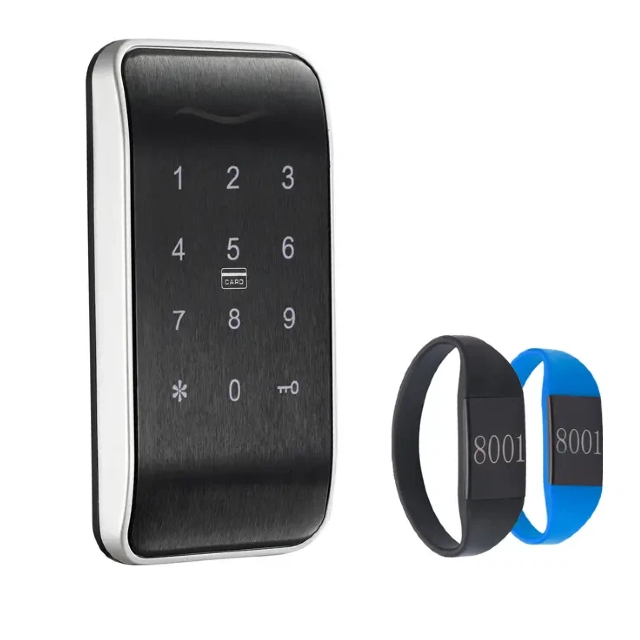
Commercial and Industrial Use Cases
Beyond offices, cabinet lock applications expand significantly in commercial and industrial environments.
Tool Cabinets and Maintenance Carts
Manufacturing facilities, maintenance departments, and workshops depend on organized tool storage. Without proper locks:
Tools may be misplaced
Equipment may be borrowed without tracking
Downtime may increase due to missing components
A durable cabinet lock designed for repeated daily use ensures that tools remain assigned and accessible only to authorized technicians. UIELOCK’s manufacturing experience in smart locking technology contributes to product durability and reliability in demanding environments.
Spare-Part Storage and Equipment Cabinets
Industrial facilities often store high-value spare parts inside metal cabinets. While these are not high-security vaults, they require controlled access.
A cabinet lock helps:
Prevent unauthorized removal
Maintain maintenance schedules
Reduce unexpected replacement costs
Electrical Enclosures and Panels
Cabinet-style locks are frequently integrated into electrical control cabinets and panel enclosures. These environments require restricted access to prevent accidental interference.
Here, the cabinet lock functions as a safety measure. Access control ensures only qualified personnel open specific enclosures, reducing operational risk.
Home Use Cases Beyond Child Safety
Although cabinet locks are often associated with childproofing, their use in homes extends further.
Guest-Accessible Spaces
Short-term rental hosts and households with frequent guests may wish to secure certain drawers or cabinets without redesigning entire rooms.
A cabinet lock allows homeowners to:
Protect private documents
Secure personal valuables
Maintain guest-friendly environments
The lock becomes an unobtrusive boundary rather than a visible security barrier.
Sensitive Household Items
Households may store:
Legal documents
Spare keys
Collectibles
Backup drives
Even without children present, controlled access may still be desirable. A well-installed cabinet lock provides peace of mind without altering interior design aesthetics.
Why Use Case First Prevents Wrong Purchases
One of the most common mistakes in cabinet lock selection is starting with product type rather than usage scenario. Understanding where and how the lock will be used ensures proper alignment between function and need.
Matching Security Expectations
Not all cabinets require the same level of security. A drawer cabinet lock in a shared office environment aims to deter casual access. A storage cabinet in an industrial setting may require stronger materials for durability.
Defining whether the goal is:
Basic privacy
Multi-user access management
High-frequency durability
prevents mismatched expectations.
Frequency and Convenience
A cabinet used dozens of times per day demands smooth mechanical operation. A rarely opened storage cabinet may prioritize closure strength over daily convenience.
Smart cabinet locks may benefit environments where:
Access credentials change frequently
Key management is complex
Usage patterns shift regularly
UIELOCK’s broad product portfolio, including Bluetooth, IoT, and smart cabinet locks, supports different frequency and convenience needs across sectors.
Use Case to Feature Mapping
Below is a practical overview to connect common cabinet lock uses with appropriate features.
Use Case | Risk Reduced | Feature That Matters | Operational Focus |
HR/Finance Filing Cabinet | Casual document access | Stable keyed mechanism | Clear key assignment workflow |
Shared Office Storage | Lost keys and access confusion | Managed key or digital code system | Multi-user access flexibility |
Workshop Tool Cabinet | Misplacement and tampering | Durable build and smooth cam operation | Minimize downtime |
Guest-Accessible Drawers | Privacy concerns | Discreet design and easy operation | Maintain room aesthetics |
Industrial Spare Parts | Unauthorized removal | Strong internal locking mechanism | Inventory protection |
This mapping demonstrates that cabinet lock use is directly connected to risk management and operational clarity.
Conclusion
When reviewing these scenarios, a consistent theme appears: cabinet lock uses are fundamentally about defining boundaries.
Whether in offices, factories, retail stores, or homes, cabinets store items that carry value—financial, operational, or personal. A cabinet lock clarifies who can open which space and under what circumstances.
Zhongshan Xiangfeng Intelligent Technology Co., Ltd., through the UIELOCK brand, applies its smart locking expertise to cabinet and drawer applications. With large-scale production capability and experience in intelligent locking systems, UIELOCK provides cabinet locks that align with modern workspace requirements.
If you already understand your application scenario, UIELOCK’s cabinet lock range is organized for cabinet, drawer, and furniture installations. Visit and contact us to discuss your specific project. The right storage locking solution transforms ordinary cabinets into structured, secure environments.
FAQ
1. Where is a cabinet lock most commonly used?
A cabinet lock is commonly used in offices for filing cabinets, in workshops for tool storage, in retail environments for display cabinets, and in homes for private drawers or document storage.
2. Is a filing cabinet lock different from other cabinet locks?
A filing cabinet lock is a specific type of cabinet lock designed for document storage cabinets. While the core principle is similar, installation and usage frequency may differ depending on cabinet design.
3. Can cabinet locks be used in shared workspaces?
Yes. Cabinet locks are widely used in shared offices and coworking spaces to protect personal belongings and confidential documents while maintaining flexible access control.
4. Are cabinet locks suitable for industrial environments?
Yes. Durable cabinet locks are commonly installed on tool cabinets, spare-part storage units, and electrical enclosures to reduce tampering and unauthorized access.


