In today’s rapidly evolving world of smart technology, traditional locking systems are quickly being replaced by more advanced and secure options, such as fingerprint door locks. These locks offer a combination of convenience, security, and innovation, making them a preferred choice for homes and businesses alike. Gone are the days of fumbling with keys or worrying about losing them. With fingerprint door locks, access becomes a seamless and secure experience. This article delves into six essential things you need to know about these innovative locks, helping you understand why they might be the perfect addition to your home or office security system.
What Is a Fingerprint Door Lock?
A fingerprint door lock is a type of smart lock that uses biometric technology to verify the identity of the person attempting to gain access. Unlike traditional locks, which rely on keys or codes, fingerprint door locks use the unique patterns found in your fingerprints for authentication. This biometric system provides a higher level of security, as fingerprints are unique to each individual and extremely difficult to replicate.
How Does It Work?
Fingerprint door locks work through biometric scanning technology that captures the fingerprint data of an individual and compares it with pre-registered templates stored in the system. The system uses advanced algorithms to match the scanned fingerprint with the template, granting access only to authorized individuals.
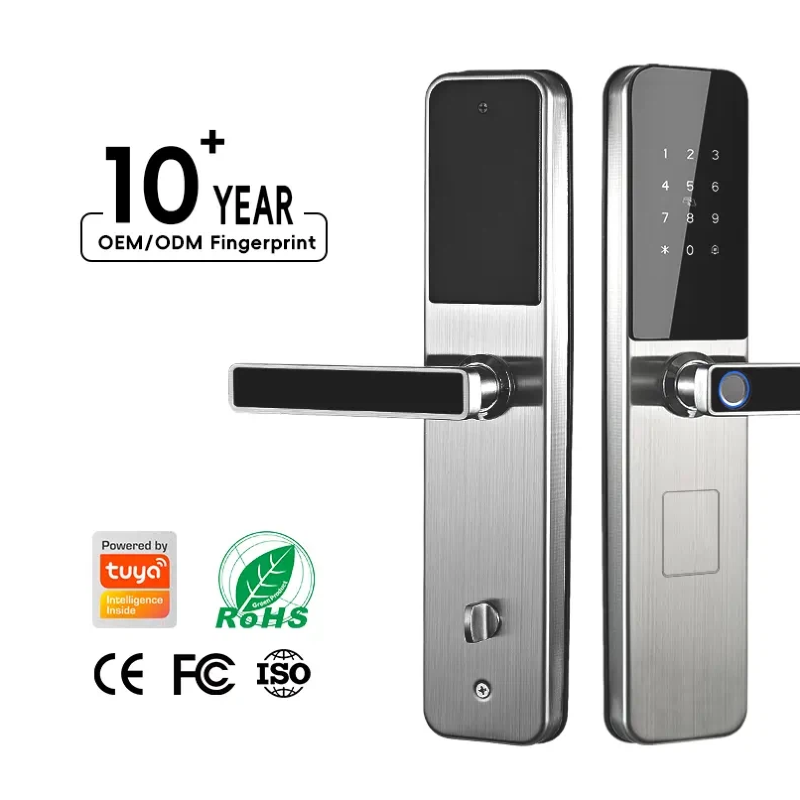
A typical fingerprint door lock is composed of several key components: a biometric scanner (which captures the fingerprint), a control chip (which processes the data), and a motorized locking mechanism that unlocks the door once the fingerprint is authenticated.
The main difference between a fingerprint door lock and traditional locks is the level of security they offer. While mechanical locks can be picked or bypassed, fingerprint locks are significantly more secure due to the difficulty in replicating a fingerprint. Moreover, they eliminate the need for physical keys, making them more convenient and user-friendly.
How Fingerprint Recognition Works
Data Collection and Conversion
When a person places their finger on the sensor of a fingerprint lock, the system captures the unique pattern of ridges and valleys on the fingerprint’s surface. This data is then converted into a digital template, which is stored in the lock’s database. The conversion process involves analyzing the fingerprint for distinctive features, such as minutiae points (the endpoints and bifurcations of the ridges), ensuring the data is precise and reliable.
Matching Process and Algorithm
Once the fingerprint is scanned, the system compares the captured data with the stored template using an algorithm. If the two fingerprints match, the system sends a signal to unlock the door. The matching process occurs within seconds, ensuring a fast and efficient access experience. Additionally, many fingerprint door locks incorporate anti-spoofing technology that prevents unauthorized individuals from using fake or replicated fingerprints to gain access.
Key Components of a Fingerprint Lock
Fingerprint locks consist of several components that work together to ensure a seamless experience. These include:
Scanner: The sensor that captures the fingerprint image.
Control Chip: The processor that converts the fingerprint into a digital template and performs matching.
Battery: A rechargeable or replaceable power source that ensures the lock functions even during power outages.
Motorized Locking Mechanism: The component that physically locks and unlocks the door based on the fingerprint authentication.
Top 6 Benefits You Should Know
Fingerprint door locks offer numerous benefits over traditional mechanical locks. Here are the top six reasons why you should consider upgrading to a fingerprint door lock.
Enhanced Security
The most obvious benefit of fingerprint door locks is enhanced security. Unlike traditional locks that can be picked or tampered with, fingerprint locks use unique biometric data, making them extremely difficult to bypass. The chances of someone else successfully replicating your fingerprint are virtually nonexistent. Furthermore, modern fingerprint locks feature encryption and dynamic algorithms, which further protect the data and prevent unauthorized access.
Fast & Convenient Access
One of the most significant advantages of fingerprint locks is the convenience they offer. There’s no need to carry keys or remember access codes. Simply place your finger on the scanner, and the lock will recognize you almost instantly. This quick access is particularly useful in situations where you need to open the door while carrying groceries, a suitcase, or any other item.
Keyless Access
With fingerprint door locks, you never need to worry about losing your keys again. The elimination of physical keys also reduces the risk of unauthorized individuals accessing your property by stealing or duplicating keys. Additionally, you can store multiple fingerprints, allowing access to family members, employees, or other authorized persons.
Multi-User Management
Many fingerprint locks offer multi-user management, which is ideal for households or businesses with multiple users. For example, a family could register their fingerprints to allow access to all family members, while an office could grant different levels of access to employees based on their roles. This flexibility adds a level of customization that traditional locks cannot offer.
Custom Access Logs
For high-security applications, some fingerprint locks include the ability to record access logs. This feature tracks who accessed the door and when, providing a useful audit trail for security purposes. This can be especially beneficial in commercial settings where access control and accountability are essential.
Durability and Low Maintenance
Fingerprint door locks are typically more durable than traditional locks, as they don’t have moving parts that can wear down or get jammed. Additionally, they require minimal maintenance. Regularly cleaning the fingerprint scanner and changing the batteries is usually all that’s needed to keep the lock functioning smoothly.
Common Myths and Misconceptions
Despite their many benefits, fingerprint door locks are often surrounded by myths and misconceptions. Let’s take a look at some of the most common ones.
“Fingerprint Locks Are Not Secure”
Some people believe that fingerprint locks are easy to hack or spoof. However, this is not the case. Most modern fingerprint locks use sophisticated encryption and dynamic algorithms to ensure that the data is secure. Additionally, the physical characteristics of a fingerprint make it one of the most difficult biometric identifiers to replicate.
“All Fingerprint Locks Are the Same”
Not all fingerprint locks are created equal. There is a significant difference in quality between various models. Higher-end models offer more advanced features, such as better sensors, faster recognition speeds, and more robust security protocols. When purchasing a fingerprint door lock, it’s essential to choose one from a reputable manufacturer to ensure reliability and performance.
Where Fingerprint Door Locks Make the Most Impact
Residential Front Doors
One of the most common applications for fingerprint door locks is residential front doors. These locks offer homeowners a high level of security while eliminating the need for keys. They are also incredibly convenient, allowing family members to access their home quickly and safely without fumbling with keys.
Office and Commercial Settings
Fingerprint door locks are also highly effective in office environments, where access control and security are critical. They can be used to restrict access to sensitive areas, such as server rooms, while also providing a convenient and quick way for authorized employees to gain entry.
Shared Spaces and Rental Properties
For shared spaces, such as apartment buildings or rental properties, fingerprint door locks offer an easy way to manage access for multiple tenants. Landlords can register tenants’ fingerprints and remotely control access, providing a higher level of convenience and security.
Conclusion
Fingerprint door locks are the future of home and office security. They offer enhanced protection, convenience, and efficiency compared to traditional locking systems. As biometric technology continues to evolve, these locks will become even more secure and accessible to a wider range of users. When selecting a fingerprint door lock, it’s essential to choose one that meets your security needs and offers the features that are most important to you.
At UIELOCK, we specialize in high-quality fingerprint door locks that provide a secure, efficient, and convenient solution for both residential and commercial applications. For more information or to inquire about our products, don’t hesitate to contact us today.
FAQ
What makes fingerprint door locks more secure than traditional locks?
Fingerprint door locks use biometric data, which is unique to each individual, making them much more difficult to bypass than traditional locks.
Can multiple people use the same fingerprint door lock?
Yes, most fingerprint locks allow for multi-user management, meaning you can register multiple fingerprints for access.
Are fingerprint locks difficult to install?
No, fingerprint door locks are relatively easy to install, and many models can be fitted onto existing doors with minimal effort.
Do fingerprint door locks work in all weather conditions?
High-quality fingerprint locks are designed to work in various weather conditions, though extreme temperatures may affect the fingerprint sensor’s performance. Always choose a lock rated for your local climate.


